Works

Crime and Punishment
Raskolnikov, a destitute student in St. Petersburg, murders a pawn broker and convinces himself he is above ordinary moral law — then spends the rest of the novel being destroyed by his own conscience. Dostoevsky's 1866 novel is one of the great psychological dramas in world literature. Translated by Constance Garnett.
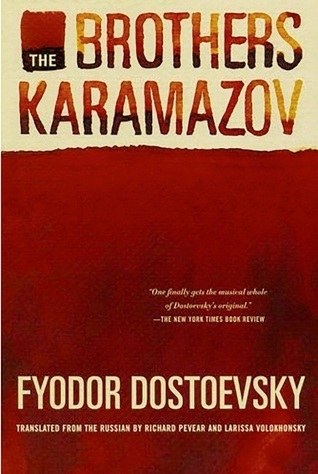
The Brothers Karamazov
Dostoevsky's final novel, completed in 1880, weaves a murder mystery around three brothers and their debauched father. Its true subject is the existence of God, the nature of free will, and the possibility of redemption — making it what many consider the greatest novel ever written. Translated by Constance Garnett.